
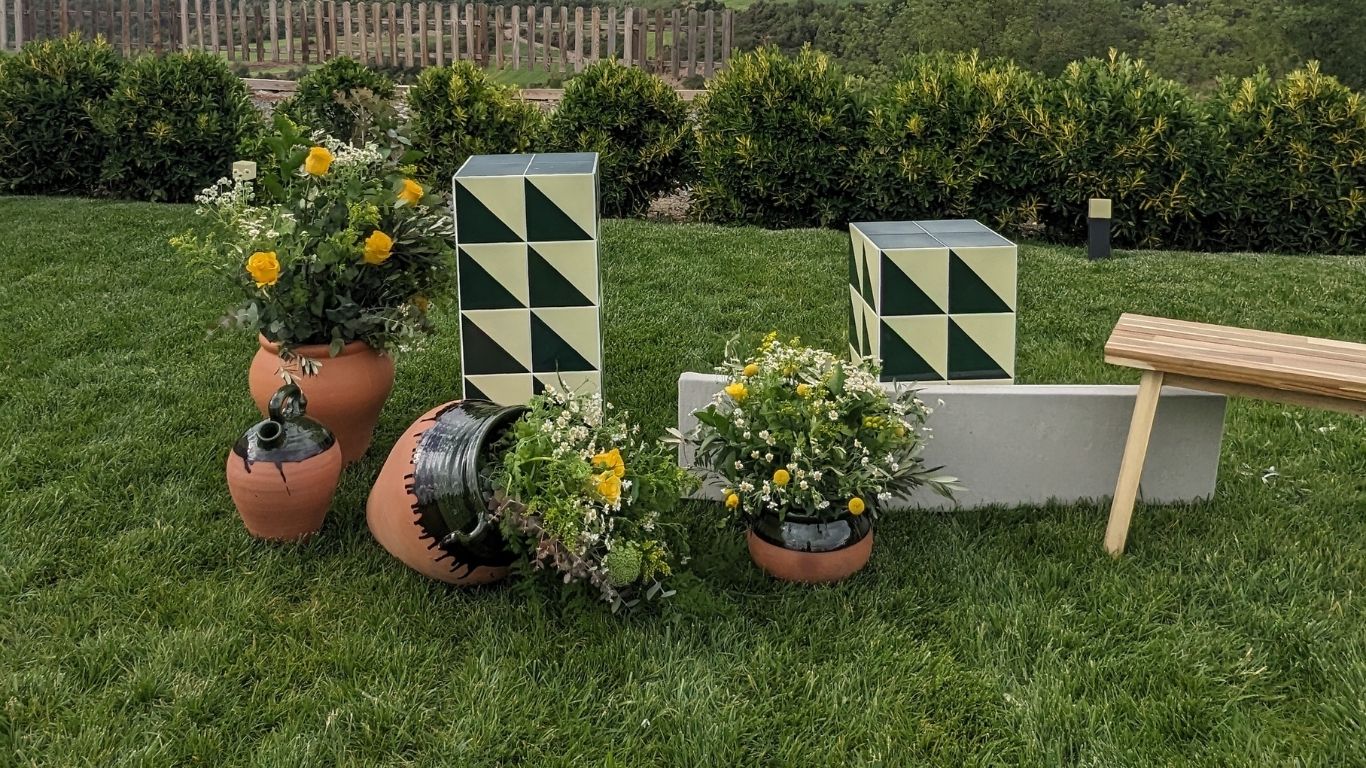
Most “energy drops” don’t come from the songs—they come from how you move from one moment to the next. If the path ceremony→cocktail→dinner→dance is poorly handled, energy falls and you get rushes, awkward silences and people checking the time. When transitions are well designed, everything feels easy: guests know where to go, what’s coming, and the mood never breaks.
Why transitions are the critical point
- Scattered attention. With each change, people switch focus, space and conversations. Without guidance, the pulse gets lost.
- Invisible logistics. Setup, lights, mics and service all need one shared cue—otherwise each team moves on its own.
- Emotional memory. Clean handoffs create a feeling of a seamless day; hard cuts make it feel long.
What usually fails between ceremony–cocktail–dinner–dance
Ceremony → Cocktail
- Exit in silence or with music too low.
- Guests with no indication of where to move.
- Improvised group photo that freezes the flow.
Cocktail → Dinner
- Music stops abruptly and conversation drops.
- Bar far from the new area: people lag behind.
- Long “warm‑up speeches” before seating.
Dinner → Dance
- Endless speeches right before opening the floor.
- Cold lighting that doesn’t invite movement.
- Opening with a very personal song without a sing‑along bridge to pull others in.
How to make transitions smooth and natural
1) Bridge music (always)
Every change needs a connecting track: recognisable, warm, with gentle pace. Never in silence. To open the floor, use a 30–60s sing‑along bridge before the first high‑energy block.
2) Simple cues, on time
One person triggers the cue (planner/maître) and everyone follows: DJ/sound, lights, service, photo/video. Short lines for guests: “Let’s head to the patio—there’s music waiting for you.”
3) Light that supports the move
Warm and welcoming for cocktail and dinner; lower the room and focus the floor when opening the dance. Light guides without words.
4) Bar near the action
Keep the bar next to the floor for the dance, and visible during cocktail. It prevents people from scattering and makes movement easy.
5) Order with sense (not rigidity)
A clear cue sheet prevents micro‑chaos but should allow re‑ordering if timing slips: better a short announcement + bridge track than forcing a silence.
6) Clear voice when it matters
Tested mics and volume by moments: brief announcements, clean toasts—never competing with the music.
Outcome: a wedding that breathes and moves forward
When each handoff is cared for, the day doesn’t break: conversation continues, energy rises in steps and the floor opens without pushing. What people remember isn’t the change—it’s how effortless it felt.
If you want kind, fluid transitions that keep your wedding’s rhythm, we’ll design bridge music, cues and light so everything clicks without snags. 🎧


0 Comments